

From Gaza to Islam: Understanding the Qur'an's Transformative Power
Latest

Changed by the Qur’an
Changed by the Qur’an is intended as a practical guide to remove the spiritual and intellectual barriers between every Muslim and their personal transformative relationship with the Qur’an
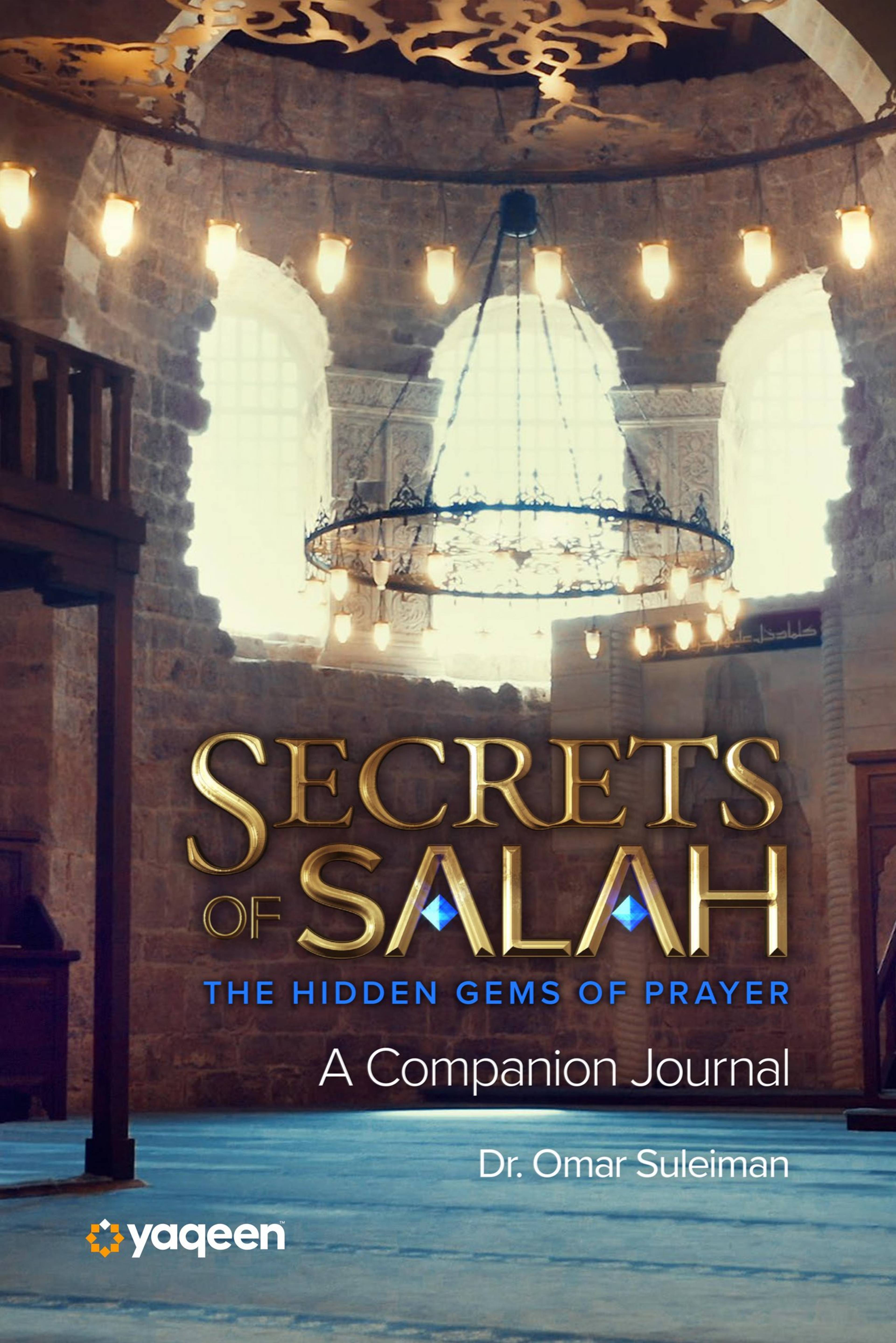
Secrets of Salah: The Hidden Gems of Prayer (Companion Journal)
The Secrets of Salah: The Hidden Gems of Prayer companion journal helps Muslims improve their prayer. It includes commentary and gems for each step of salah, and journaling space for your reflections on your journey to life-changing prayers.

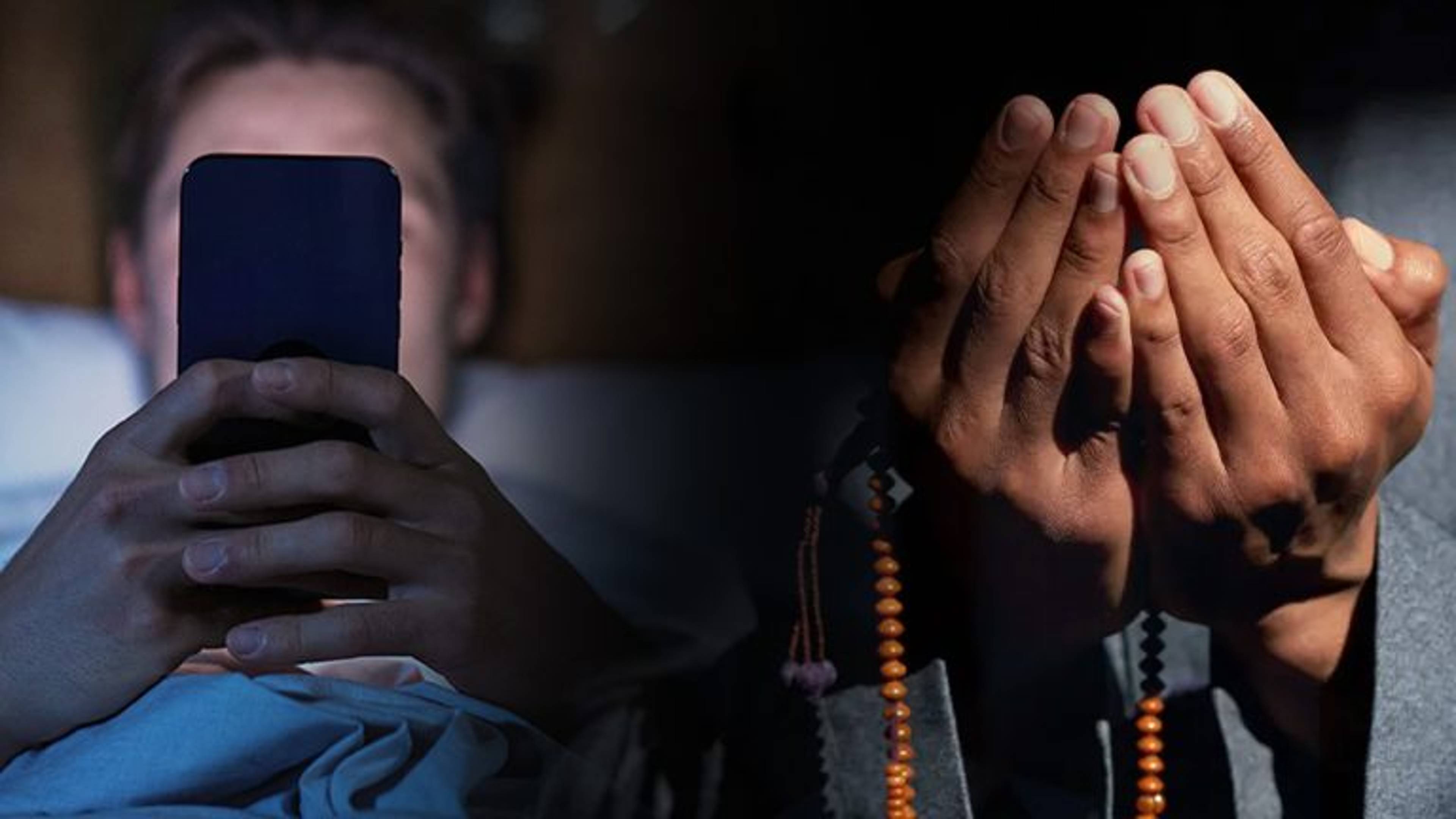
Lowering the Gaze: Prophetic Solutions to Pornography in an Age of Endless Temptation | Essay
Dr. Jibran KhokharLate at night, after a long and exhausting day, a young man lies in bed scrolling through his phone. He is not searching for pornography. At least, that is not what he tells himself. He is simply looking for a distraction, to numb the distress of his day. A few reels become a few more. An image...

Overcoming Intrusive Thoughts and Religious OCD: Prophetic Guidance on Moral Scrupulosity | Essay
Dr. Jibran KhokharMoral scrupulosity is a form of excessive moral anxiety characterized by persistent fear of sin, intrusive thoughts about wrongdoing, and a heightened sense of guilt even in the absence of deliberate action. Often studied within the broader framework of obsessive–compulsive disorder (OCD), it...
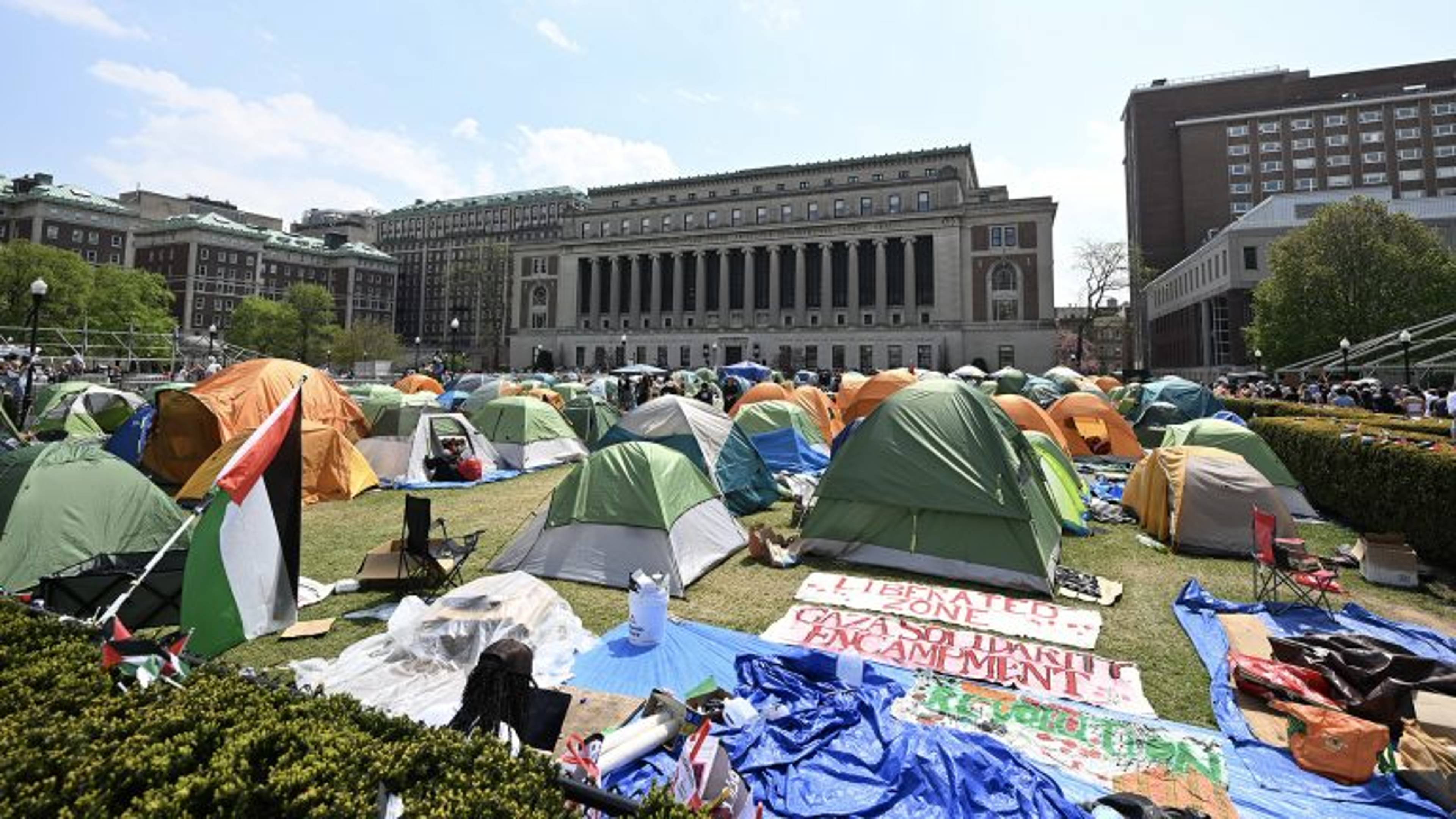
Four Ways of Confronting Islamophobia on Campus: Protecting Muslim Students from Abuse
Imam Khalid LatifSince October 2023, the past three academic years have exposed something painful but necessary for our community to confront: We were not prepared. The Prophet ﷺ taught us to tie our camel and trust in Allah. For far too long, in the higher education space, we trusted, but failed to tie the camel....
Post-Ramadan Highs and Lows: How to Protect Your Faith in 4 Steps | Blog
Tarek GhanemEver wondered why our experience in the last ten days of Ramadan, or on its 27th night, diminishes so quickly after the month ends? Where do the light, faith, inspiration to do more, and sense of elation go? Why is it that they are sometimes overtaken by sluggishness, boredom, spiritual emptiness,...


Can the Qur'an Be Recited in Different Ways? The Meaning and Wisdom of Qira'at
Sh. Yousef WahbIf the Qur’an is truly one timeless, unchanged book, how can it be read in multiple ways? This article provides a brief account of the origins and canonization of the qirāʾāt.
Damascus is a beautiful city. Jasmine vines and bright purple bougainvillea flowers grow on balconies all over the city and jacaranda trees sneak up in the small spaces between blocks and buildings. I used to live in a twelve-story cement block building that stood in a row of at least ten other...

Hijab, Gendered Islamophobia, and the Lived Experiences of Muslim Women
Dr. Naved BakaliAs the world awaited the results of the 2020 US presidential election with mounting apprehension, Muslim women had ongoing conversations both online and in person, at individual and communal levels, about the consequences, not just of a second Trump presidency, but of the obvious masses of voters...
The Palestinian Struggle Through the Prophetic Lens
Dr. Ovamir AnjumIs Palestine a Muslim issue? What is the Islamic response to the Palestinian question? Put differently, “What would the Prophet Muhammad ﷺ do?” Rarely do we encounter political situations in our lifetime in which the prophetic way is as clear as it is in the case of the Palestinian struggle....
The Forgotten Muslims: How Kashmiris Breathe Islam Under Occupation
Ahmed Bin Qasim!هم کیا چاہتے؟ آزادی !آزادی کا مطلب کیا؟ لَا إِلَٰهَ إِلَّا ٱللَّٰهُ!تیرا میرا رشتہ کیا؟ لَا إِلَٰهَ إِلَّا ٱللَّٰهُHum kyā chahtay? Azādi!Azādi kā matlab kyā? Lāʾilāhaʾillā-llāh!Terā merā rishtā kyā? Lāʾilāhaʾillā-llāh!(What do we want? Liberation!What does liberation mean? That there is no God...
Can the Qur'an Be Recited in Different Ways? The Meaning and Wisdom of Qira'at
Sh. Yousef WahbIf the Qur’an is truly one timeless, unchanged book, how can it be read in multiple ways? This article provides a brief account of the origins and canonization of the qirāʾāt.
Damascus is a beautiful city. Jasmine vines and bright purple bougainvillea flowers grow on balconies all over the city and jacaranda trees sneak up in the small spaces between blocks and buildings. I used to live in a twelve-story cement block building that stood in a row of at least ten other...
Hijab, Gendered Islamophobia, and the Lived Experiences of Muslim Women
Dr. Naved BakaliAs the world awaited the results of the 2020 US presidential election with mounting apprehension, Muslim women had ongoing conversations both online and in person, at individual and communal levels, about the consequences, not just of a second Trump presidency, but of the obvious masses of voters...
The Palestinian Struggle Through the Prophetic Lens
Dr. Ovamir AnjumIs Palestine a Muslim issue? What is the Islamic response to the Palestinian question? Put differently, “What would the Prophet Muhammad ﷺ do?” Rarely do we encounter political situations in our lifetime in which the prophetic way is as clear as it is in the case of the Palestinian struggle....
The Forgotten Muslims: How Kashmiris Breathe Islam Under Occupation
Ahmed Bin Qasim!هم کیا چاہتے؟ آزادی !آزادی کا مطلب کیا؟ لَا إِلَٰهَ إِلَّا ٱللَّٰهُ!تیرا میرا رشتہ کیا؟ لَا إِلَٰهَ إِلَّا ٱللَّٰهُHum kyā chahtay? Azādi!Azādi kā matlab kyā? Lāʾilāhaʾillā-llāh!Terā merā rishtā kyā? Lāʾilāhaʾillā-llāh!(What do we want? Liberation!What does liberation mean? That there is no God...



This series examines the roles, rights, and responsibilities of men and women within an Islamic framework. It addresses contemporary challenges while grounding the conversation in traditional scholarship and spiritual equality.
Women in the Qur'an: Appreciating Female Faith, Wisdom, and Knowledge
Celene Ibrahim
In Qur’anic stories, more often than not we find depictions of women possessing notable wisdom, resolve, piety, and strength of character. Though the majority of Qur’anic narratives involve men, well over a dozen women figures are also featured in Qur’anic sacred history. This article highlights...
"We Used to Have No Regard for Women": Gender Equity & the Advent of Islam
Roohi Tahir
The status and rights of women are contentious issues within and across cultures. Opinions diverge for the most subjective of reasons, due to fluctuations in personal biases that are susceptible to changes in time and place. This becomes evident when examining perceptions of women in any particular...
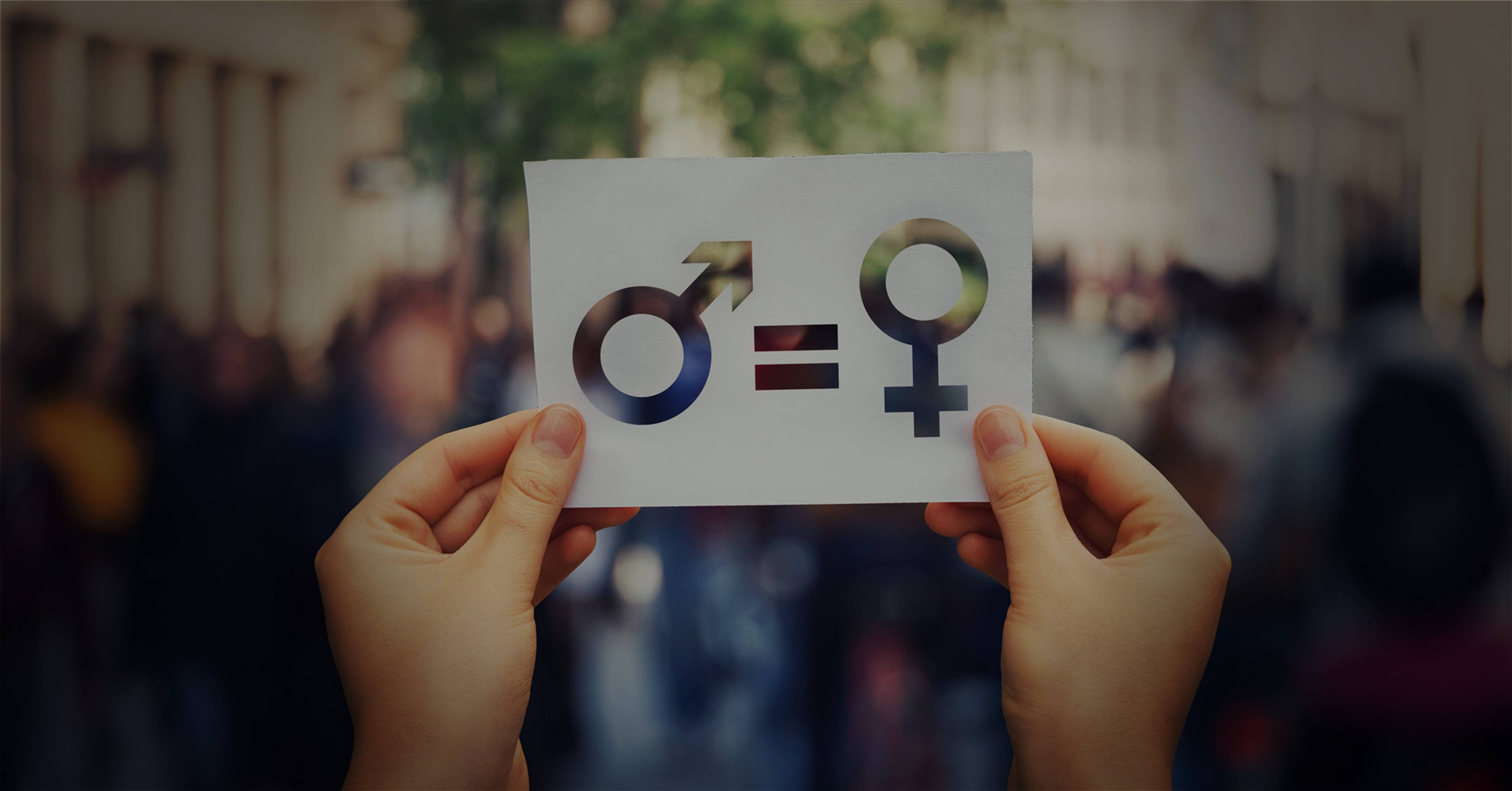
"And We Created You in Pairs": Islam and the Gender Question
Faatimah Knight
Gender informs who we are as individuals, as collectives, and as creators of civilization because it is real. The modern era, however, has uprooted much of our understanding of this defining aspect of selfhood. The new gender theories, pioneered by public intellectuals like Professor Judith Butler,...
Do the Qur'an and Sunnah Speak More Often to Men than Women?
Dr. Jonathan Brown
Why does God always seem to be talking to men and not to women? This question occurs to many Muslims today, though they might at times hesitate to voice it out of fear that they have fallen under the influence of some politically correct fad. But this is, in fact, one of the oldest questions in...
Courage & Commitment: The Femininity of Muslim Women
Dr. Tamara Gray
The term ‘feminine’ conjures up images of flowers and pink fluffy fabrics, soft smiles, and sweetly spoken words. Years ago, girls in Minnesota who preferred soccer to sewing were called ‘tomboys’ because their hobbies were not feminine or ‘girly.’ Today, children are questioning their very...
This series examines the roles, rights, and responsibilities of men and women within an Islamic framework. It addresses contemporary challenges while grounding the conversation in traditional scholarship and spiritual equality.
Women in the Qur'an: Appreciating Female Faith, Wisdom, and Knowledge
Celene Ibrahim
In Qur’anic stories, more often than not we find depictions of women possessing notable wisdom, resolve, piety, and strength of character. Though the majority of Qur’anic narratives involve men, well over a dozen women figures are also featured in Qur’anic sacred history. This article highlights...
"We Used to Have No Regard for Women": Gender Equity & the Advent of Islam
Roohi Tahir
The status and rights of women are contentious issues within and across cultures. Opinions diverge for the most subjective of reasons, due to fluctuations in personal biases that are susceptible to changes in time and place. This becomes evident when examining perceptions of women in any particular...
"And We Created You in Pairs": Islam and the Gender Question
Faatimah Knight
Gender informs who we are as individuals, as collectives, and as creators of civilization because it is real. The modern era, however, has uprooted much of our understanding of this defining aspect of selfhood. The new gender theories, pioneered by public intellectuals like Professor Judith Butler,...
Do the Qur'an and Sunnah Speak More Often to Men than Women?
Dr. Jonathan Brown
Why does God always seem to be talking to men and not to women? This question occurs to many Muslims today, though they might at times hesitate to voice it out of fear that they have fallen under the influence of some politically correct fad. But this is, in fact, one of the oldest questions in...
Courage & Commitment: The Femininity of Muslim Women
Dr. Tamara Gray
The term ‘feminine’ conjures up images of flowers and pink fluffy fabrics, soft smiles, and sweetly spoken words. Years ago, girls in Minnesota who preferred soccer to sewing were called ‘tomboys’ because their hobbies were not feminine or ‘girly.’ Today, children are questioning their very...
What Happened on the Day of Ashura? Contextualizing the Events and Meaning of Ashura | Blog
Yaqeen Institute
On the day of Ashura, millennia ago, Musa (as) and the Children of Israel achieved a momentous victory over the oppressive tyranny of Pharaoh. The remembrance of this event, through fasting, is a solemn reminder that Allah's assistance is ever-present for those who persevere in righteousness and...
The Black Muslim American Mayor in the Home of the KKK
Dr. Khalil Abdurrashid
In 1915, the modern Ku Klux Klan, a notorious white supremacist group was born in Stone Mountain, Georgia. The Klan was first formed during the Reconstruction years after the Civil War. This early group died out around 1871 only to reemerge in the midst of World War I. It was this modern Klan that...
From Srebrenica to Gaza: The Dehumanization of Muslims | Blog
Dr. Omar Suleiman
The genocide that occurred in Srebrenica 29 years ago, when some 8,000 mostly Muslim Bosniaks were killed by a Serbian nationalist militia, was the largest genocide Europe has seen since the Holocaust. It didn’t come out of nowhere.
The Politics of Representation: What Mamdani’s Victory Means for Muslims in America and Beyond
Tom Facchine
As the right-wing tabloid NY Post would have you believe, the Green-Red Alliance has succeeded in infiltrating US politics and is poised to impose Sharia Socialism on the hapless people of New York City, with Zohran Mamdani as the Communist Caliph in Chief. Others are hailing Mamdani’s victory as a...
Slavery and Islam: What is Slavery?
Dr. Jonathan Brown
Is there slavery in Islam? When people pose this question they usually assume it’s the Islam part that needs clarification. Everyone already knows what slavery is. Actually, it’s quite the opposite. The Islam part is relatively straightforward. The real problem is trying to pin down what we mean by...


